










Great work!!This is a great website and ive learned so many new things..Photography is great
!!!!
Nida
Thursday, July 19th, 2007 at 10:17:40
Thank you for the really helpful tips! I have a great challenge to come up with good shots for my website, but have no knowledge. I am enjoying learning enormously, and your site is a gem!
Carla
Monday, August 20th, 2007 at 00:45:01
hi people,
this website's wonderful!
i lofe flowers and specially tulips!^^
i love your pictures!
congratulations for this work!
have a beautifu day!
take care
bye :D
maria
Friday, August 24th, 2007 at 15:50:49
I am just a pupil in comparison with your work. Great work. Congratulation
Dan Roman
Sunday, February 24th, 2008 at 14:29:15
Thank you for your help; your advice is concise and clear and I have never seen the multiple exposure flowers trick - will try a couple this weekend I think.
AHS
Friday, May 16th, 2008 at 05:34:07
great tutor...
i've learnt so many things with this tutor..!
godinc
Tuesday, June 10th, 2008 at 13:04:23
For me very instructive.
Thank you for sharing your knowledge.
Best regards and keep on doing it.
Attila
AttilaLToth
Saturday, June 28th, 2008 at 01:42:15
You are amazing!!! Thanks for sharing your photos and your info. I love what you've done!
MelindaFord
Saturday, September 20th, 2008 at 08:37:26
Absolutely stunning photographs!
Keep up the amazing work. I will give your flower photos a plug on my wedding site.
Best wishes
Helen
Helen Smeaton
Thursday, October 16th, 2008 at 11:04:57
THe pictures are so pretty! I want to be a photographer like you!
Sherly
Monday, December 1st, 2008 at 22:40:55
I feel in love with your work of art.
Jameley Jumao-as
Thursday, April 9th, 2009 at 00:46:09
great!!! thanks i have much learn from this...
Genki
Monday, May 18th, 2009 at 03:33:36
Thank You! this site was very helpful!
~Faith
FaithandDesiar
Tuesday, June 2nd, 2009 at 17:26:40
To capture your experiences; to see so much beauty and be able to create this website is truly a magnificent talent (not so much the website). May you never stop doing what you love because with the care that you take, this must truly be your passion.
Roxy
Friday, July 3rd, 2009 at 11:46:05
Dear,
I am a newbie, searching for tips and tricks as well as tutorials in the web. I have to admit that i have never seen such a wealth of stellar advices absolutely free of cost (even in some so called quality books you cant find this).
Cheers, i would like to see some advice on equipment as well so that i can anchor my choice. i hope that i can follow your advice blind fold.
Alex
Thursday, August 20th, 2009 at 02:11:56
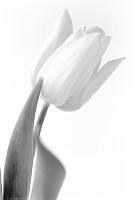
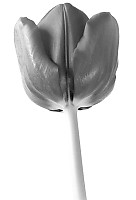
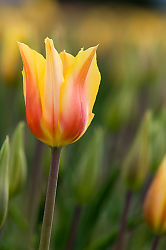
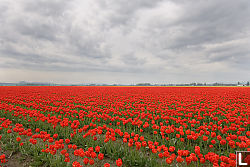
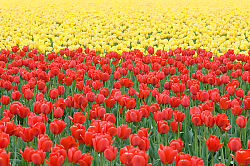
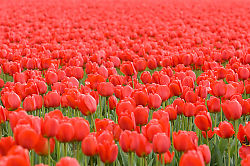
Whoa, those are such cool photos! That's a ton of tulips. Where did you find such a cool place for photographing tulips?!
Becki
Monday, November 16th, 2009 at 09:32:03
Superb!! what photos.. gr8 work..
Dev
Saturday, December 5th, 2009 at 01:16:12
I appreciate class #3 about diagonals - sometimes I feel like I need to change the angle, straight just wont do it, but I could find the right alternative.
Paul Swift
Tuesday, January 19th, 2010 at 11:21:21
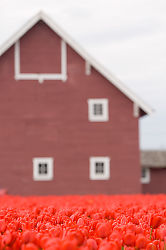
Good stuff, man. I'm 15 and I've been searching for tutorials on the internet because i REALLY want to learn photography. I've really found your page helpful. The pictures for barns in the background were amazing!
Mehar Bano
Monday, January 25th, 2010 at 12:55:57
Thank you, this information is great. I'm just beginning to get into photography as I'm only a student, and it's always nice to have some good starting pointers. : )
Nicola
Wednesday, February 3rd, 2010 at 04:01:47
The last example was just marvelous its shows how important exposure & how well it can completely change your image..amazing illustration and great tutorial..thanks
Amit
Tuesday, February 23rd, 2010 at 04:41:13
I feel in love with your work of art
Rifat
Thursday, June 24th, 2010 at 23:17:58
Nice points to understand photography
Sameer
Tuesday, March 8th, 2011 at 23:04:27
Thanks for sharing this valuable information
niloofar
Saturday, March 26th, 2011 at 05:19:26
John you have a good eye, I would like to share your stuff with my photography students, with your permission.
Bill
bill
Friday, April 15th, 2011 at 21:32:46
Great Pictures and helpful Info. Thanks.
Aisha
Tuesday, May 24th, 2011 at 02:37:00
added to my bookmark, awesome guides with good examples. i'm happy to buy u a mug of beer if u had a paypal acc.
jeffery
Saturday, June 11th, 2011 at 19:29:13
This is really great! We're doing this at Mercer Arboretum with some sped high school kids.
shelley
Monday, October 29th, 2012 at 11:27:54
Excellent work dear, pls keep posting. It inspires us to learn more and more from you.
Excellent article. Now only it is understood that photography is an art, otherwise we used to just admire the pictures wondering how it might have been done.
Mahendra
Sunday, December 22nd, 2013 at 01:53:34