Learn To Photograph Tide Pools

Great detail on the West Coast.
Shhh - don't tell anyone. One of
my favorite things to do on a west coast trip to go find a tide pool at
low tide. Lots of great colours, new surprises and a bit of a
challenge to frame.
The first challenge is finding a good tide pool. There are some
superstar beaches but you would be surprised what you can find at
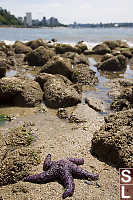
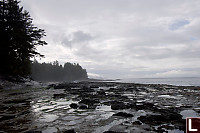
pretty much any beach at low tide. An ideal tide pool beach is
flat, mostly rock, and is exposed to current when the tide changes.
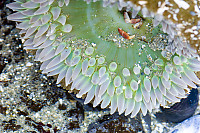
Looking
Underwater
The most alien things are generally found
underwater in
the shallow pools of water left behind when the tide receeds.
Spend some time looking but when you want to take your photo, watch the
glare on the surface of the water.
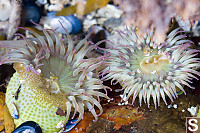
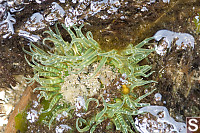
Our
of the Water
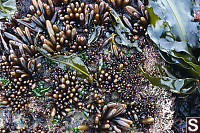
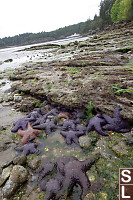
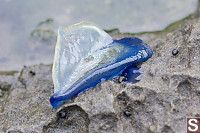
Above the water, you will find animals that like to be under water that
happen to be out of the water. These animals can survive out of
water for a few hours but they do their best to minimize their exposure
to the hot sun and prolonged dry. If you do turn over kelp to
find animals, be sure to return the cover.
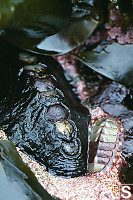
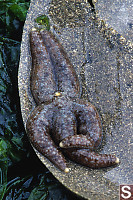
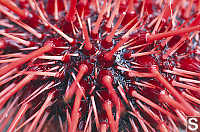
Get
In Close
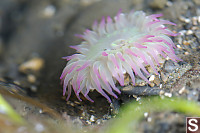
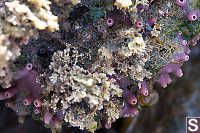
These animals are pretty alien (no arms or legs)
and the
details can be just as alien as their overall shape. If you can
focus on the smaller detail, you can make some strong compositions.
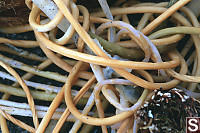
The Plants are Cool!
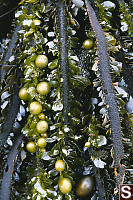
There are no plants the live in the ocean that you can find on
land. These plants don't have flowers (they are all algae)
but they have lots of details that you don't find on land plants.
Plants in the forest have seasons and the ocean is no different -
plants in the springs are different than plants in the fall or winter.
Look out for that contrast
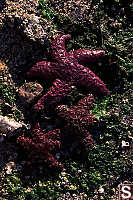
Because the tidepools are generally wet and have lots of crags and
cover. When the sun is out, the contrast between the bright glare
spots and the dark shaded areas challenge any camera. Be careful
how you compose and make shade if it helps bright the constract under
control.
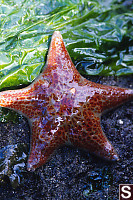
Tags: beach(8), Botanical Beach(7), sea star(5), tide pool(5), kelp(3), shallow depth of field(2)
From: John Harvey Photo > Learn Photography > Learn To Photograph Tide Pools
thanks alot perfect information
david saba
Wednesday, August 6th, 2008 at 11:12:03
Great shots, I work in aquariums. I'm impressed with your species ID!
naturephotog
Thursday, November 5th, 2009 at 22:14:30
This is pretty sweet. I like the sea star pics. This site is going to be so useful to me now, and in the future. Right now, I feel like going to a beach and snapping pictures. Thanks for the influence. =D
photogeek
Monday, November 16th, 2009 at 10:26:13
Thanks for spending the time to make the tutorial :-)
The pics were a real treat to the eye, the knowledge you impart is really very helpful for beginners like us. Thank you so much :)
Punam
Tuesday, April 6th, 2010 at 08:23:57
wow.. ur really great. thanks for all these awesome ideas : " )
LALA
Saturday, May 29th, 2010 at 23:23:46
Your whole website is fantastic. Thank you very much for taking the time to share your thoughts and tips........very much appreciated
Lee
Sunday, June 27th, 2010 at 16:27:17
Last Modified Tuesday, June 9th, 2009 at 01:22:40 Edit
Copyright and Contact Information.