


| Ads by JohnHarveyPhoto.com Visit Silvergroves.co.uk for a wide selection of photo frames |
"Consulting
the
rules
of
composition
before
taking
a
photograph,
is like consulting the laws of gravity before
going
for a walk." - Edward Weston
"The
so-called rules of photographic composition are, in my opinion,
invalid, irrelevant and immaterial" - Ansel Adams
|
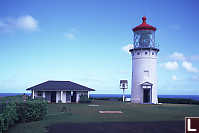
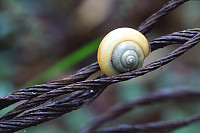
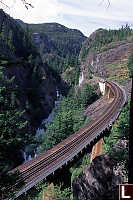
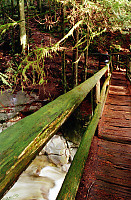
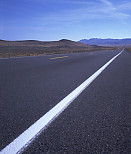
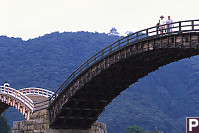

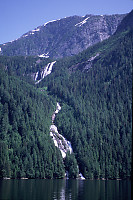
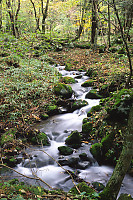
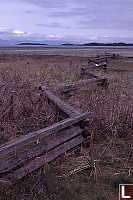

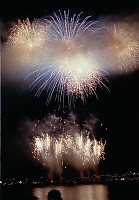
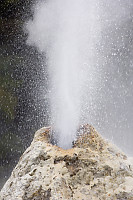


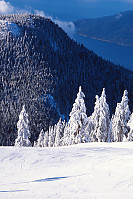

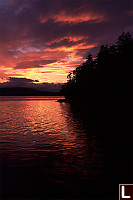
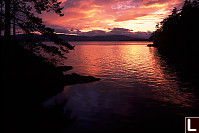
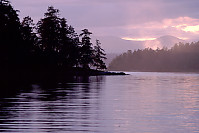
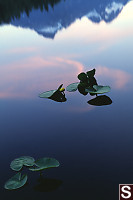
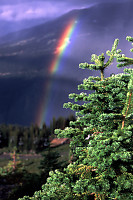
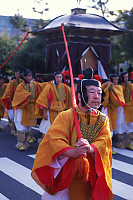
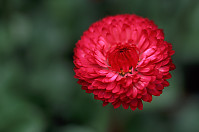 Flowers are something that I enjoy taking photos of. While many of the principals involved in traditional composition or portrait composition apply to flower photography, sometimes just seeing examples can inspire. |
 People Photography People Photography
The true bread and butter of photography, there is a huge number of variations available. |
 Requiring a bit of technical know how, light really takes on new properties when there isn't much of it. |
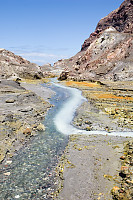
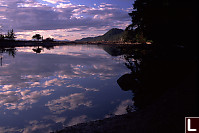
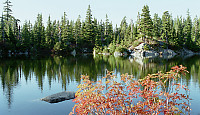
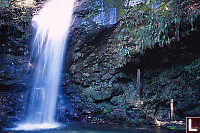 It's one of the requirements of life and often a focal point of landscape photography. |
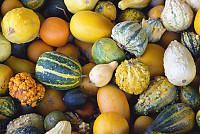
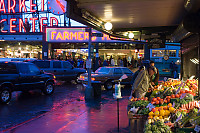 I really enjoy markets but getting a good photos at market isn't obvious. There are a few things to keep in mind when you are visiting. |
 Rules don't define the edges of photography. Sometimes photos that are technically poor making striking images, but there are few guidelines to help. |
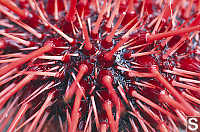 An amazing world on the boundary of the ocean and land, A single visit to a beach will often have more animal species than you would see in a week of hiking. |
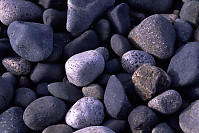
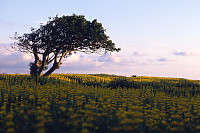 One of the most difficult subjects to make a compelling photograph out of. |
| Visit
Silvergroves.co.uk
for
a
wide
selection
of
photo
frames Ads by JohnHarveyPhoto.com
|
Thank you for your Course. It's very helpful to us, amateur photographers in all world around.
Thanks, again
Daniel Domínguez
México
Daniel Dominguez
Monday, May 7th, 2007 at 10:15:10
Great tips on composition! It is very helpful for amateur photographers.
Ryan Chan
Friday, May 11th, 2007 at 04:44:22
Hi,
I am a schoolboy at a school in India and my father was against the idea of sending me to expensive photgraphy classes to learn photography.
What you have done to me cannot be measured since you have boosted my morale and given me an insight into the basics.
Thanks for everything.
Regards,
Krishna Iyer
KRISHNA IYER
Tuesday, June 19th, 2007 at 05:32:13
Hi! It is really cool and illustrative to read, thanks for putting some of your time into helping us (amateur, and not so amateur photographers).
Regards!
Claudio García - México
Sunday, July 8th, 2007 at 08:16:58
hi i see many pro site but your site is very god & simpel for leraning photography .
i hope to see many page for learning photography .
you help the pepole around the world .
thank you .reza from IRAN
reza jaffari
Monday, July 16th, 2007 at 16:01:29
hi i am annie sherchan from nepal , i m very excited to view ur website .....bekoz i want to be a good pro photographer ..............thank you very much , it was really great job that u did ...i love it ..................
annie
Saturday, July 28th, 2007 at 00:19:18
Thanks for the great website. I know a lot of these rules already, but referenced your website in a blog post. Thanks again.
Amanda
Tuesday, September 25th, 2007 at 21:48:29
oh my goodness i love your work so much!
Austin
Thursday, October 4th, 2007 at 09:39:21
Thanks - this is very useful.
I am looking for resources that relate to composition in 3D graphics scenes, and it turns out that rules for photgraphic composition is easily adapted as the aims are very similar - producing a pleasing still image.
Richard Lyall
Sunday, October 14th, 2007 at 06:36:57
Agree Rules are there to be broken!! Excellent site Thanks
Peter
Saturday, October 27th, 2007 at 12:11:13
Excellent page, very informative, I've been doing photography as a hobby for the past two years, and this is one of the best and clear explanations of composition with great examples I have seen. Thank you so much.
Matthew
Thursday, January 10th, 2008 at 08:25:26
Excellent - very useful and informative. Great examples ! Thank you so much !
Imran
Thursday, January 24th, 2008 at 10:14:15
Vere helpful to me. Thank you very much for sharing of your great knowledge.
Moe Ko Ko
Saturday, February 2nd, 2008 at 20:23:43
Thanks for the tips. My wife has been laughing at the way I took pictures and claiming that she took better picture much better. I hope to practice with your tips in mind and hope to show off and surprise her soon. Keep up the good work. Again, many thanks.
Photoidiot
Sunday, March 2nd, 2008 at 22:15:21
thanks for sharing!
arep
Wednesday, March 19th, 2008 at 04:04:19
Great Job, well done, thanx
Yasir Zeb
Wednesday, March 19th, 2008 at 06:54:54
hey nice work!! i loved it ..It taught me so much. LOL
Shanel
Tuesday, April 22nd, 2008 at 13:00:25
DUDE !!! u rock !!!
my computer teacher is using your site to teach us photography !!
thanks alot !!!
... Pogo
Pogo
Tuesday, April 22nd, 2008 at 13:02:25
Thanx alot for your great effort. Honestly it is really a great simplified summery in which everybody needs to know what he is doing.
Haytham Zireeni
Monday, May 5th, 2008 at 03:53:06
Hi, many thanks for such a beautiful and helpful course. I have learnt quiet a things and am still learning by reading here and implementing.
Just wanted to ask you one thing, a SLR is necessary for getting those dream shots even for a hobbyist like me..isn't it?..Your advice please?
Kimochi
Wednesday, June 18th, 2008 at 01:22:51
thanks for your valuable tips... it is very helpful for me & amateur photographers.
great website done thanks....
Shrinivas Patke
Tuesday, July 8th, 2008 at 03:19:50
Great Site... Great Advices!
I specially liked the "Giving up" one. Great examples of "what's not normal" and "resulted perfectly" :D Loved it!
Another section could be "how to photograph villages" or places... Capturing angles, and trying to get different perspectives out of the places we visit, is sometimes very hard :)
Best Regards :)
Filipe
Saturday, August 2nd, 2008 at 15:08:39
these where great tips!! thanks so much! my photography teacher is using your site!
Tiff
Thursday, August 21st, 2008 at 12:40:04
Very well presented......great knowlege in laymans terms, with fantastic visual examples that emphasized your explanations so as to bring out the meaning so easily. Thankyou for your help.
Cheers
John
John Peel
Thursday, September 18th, 2008 at 03:55:20
whole photos seem a painting.
This is a art.
nejdet
Sunday, October 19th, 2008 at 05:04:59
good stuff,
got new tips.......
mithun
Friday, November 14th, 2008 at 03:05:20
I'm starting a wiki for digital photography. It will basically be a body of knowledge. I'm looking for people to contribute. Articles can range from small definitions to full tutorials. Interested in participating? Please let me know. Aaron
Aaron
Friday, December 26th, 2008 at 07:10:57
thanks for all the insight...
i will sure come back to check out this site again...
i have to review!
ian koyanagi
Thursday, January 22nd, 2009 at 01:19:36
Beautiful photographic examples!
gypsypunk
Thursday, April 23rd, 2009 at 21:52:56
thanks for the tutorial! I love photography, after reading this I'm loving it more!
Pleau
Thursday, April 30th, 2009 at 01:19:20
Brilliant composition tips!
Thanks,
Jon Harvey - England.
Jon Harvey
Wednesday, May 6th, 2009 at 04:22:31
This is great, fantastic and excellent. pls keep it up, it is a nice job! I love it.
Abdoulah I. Goumou
Monday, August 31st, 2009 at 07:31:20
These photo's are beautiful. it's so amazing the different types of angles used to create different looks and feels of a photo. photography is such an amazing art, you can depict so many different images and points of views, expressions, etc. unlike anything anyone has ever seen before. it's so awesome :)
Melissa Petraccoro
Wednesday, September 2nd, 2009 at 19:45:10
Thanks for all of the great tips, they were a big help!!!!!
Caitlin "Carter" Tuck
Friday, September 4th, 2009 at 05:36:44
This information was very informative and interesting. I know it will help me a great deal on future assignments.
Tierra Spence
Thursday, September 10th, 2009 at 14:06:19
these pictures are so amazing to look at!!! and interesting too!!!!
dana
Wednesday, September 16th, 2009 at 07:50:08
Beautiful Photography. Touches My Heart. Sometime I also take Pictures
Vikrant
Friday, September 25th, 2009 at 01:14:38
Hey, John. Your site has been the best I've found for someone who has no idea what the fancy technical jargon mean! Thanks so much from this beginner for sharing, and I hope you'll keep them coming. :O)
Jas
Monday, November 2nd, 2009 at 20:04:46
You make me want to get better. Thank you. Rick.C.USA
RICK
Sunday, November 15th, 2009 at 11:03:41
Thank you for your generous and comprehensive post - and with sample images to express the visual form!
Deanne
Tuesday, November 24th, 2009 at 11:30:35
Thanks for sharing your tips. This will be of great use.
Sandeep Thoppil
Tuesday, December 1st, 2009 at 18:11:29
i learn many things from you.....thanks
oscar
Thursday, December 3rd, 2009 at 00:08:13
Great site and pictures. However, the best part is the simplicity of the instructions and ideas and what constitutes a good picture. The ideas are relayed and conveyed in a way that I can see pictures and learn.
Tajinder Singh
Sunday, January 17th, 2010 at 16:15:27
Thank you for sharing. Your explanations are simple and to the point.
Jonna
Tuesday, February 9th, 2010 at 20:10:27
Your comments a straight forward and concise. Thank you......
BP
Sunday, February 28th, 2010 at 09:55:50
This website is brilliant, well done! I need to practice now =)
Tim
Wednesday, March 3rd, 2010 at 14:38:25
Very informative and educational. Thank you!!
Tony Ng
Wednesday, March 17th, 2010 at 06:47:03
I am very glad to see this rules of photo composition. it is much more useful for us, who want to learn photography/photo composition. thank you for your work.
Mr Govin
Saturday, May 8th, 2010 at 04:42:55
Excellent site. It gave me some good ideas for my photos. Thank you!
Fernando
Tuesday, June 15th, 2010 at 07:15:25
this is a great website! it is very educational and the information is very easy to understand though fluent in advice... thank you
Jamie
Saturday, June 19th, 2010 at 19:41:53
Thank you, it was a very educative course for newbie photographers.
Bikash Kundu
Sunday, August 22nd, 2010 at 00:33:50
looking over this let me know the different types of pictures....this is a very good site.
Alison
Monday, September 13th, 2010 at 10:54:39
Hey thanks alot. learned a great deal. really appreciated the content with photo examples.
Abhishek
Sunday, October 3rd, 2010 at 09:33:32
thank you so much for the info you are giving us. please don't ever stop sharing with us good work.
Comfort Mwanyisa
Friday, October 8th, 2010 at 00:48:25
i liked the tips, they're good to know
Madison Goodman
Wednesday, February 16th, 2011 at 11:45:22
I just got my first DSLR and I googled the heck out of online photo tutorials. This is by far the best I've seen. Very useful and the photo examples are breathtaking. Thank you, John!
Zain Mahmood
Sunday, March 13th, 2011 at 12:15:15
Wow! Great and wonderful photos. I am new to photography and your works inspire me. Thank you for sharing this with us.
Isang
Monday, April 11th, 2011 at 04:04:16
Fantastic website. You deserve much kudos and plenty of accolades for the wonderful instructional material. May your website grow even more! You have taught me the basics.
Thanks again
Ron
Ron Sundar
Sunday, July 17th, 2011 at 08:48:56
Hi thank you very much for your kind tips...photos are awesome
Srikanth
Friday, August 5th, 2011 at 01:39:02
Thank you very much for your website. I learned alot.
KP
Wednesday, February 8th, 2012 at 16:38:08
Wonderful site. Used much of the material (appropriately credited) in teaching a "Seniors" course at local university. Thanks for both the3m and me.
Gil Shaw
Sunday, April 22nd, 2012 at 13:24:12
Beautiful photos and very nice explanations! One can never know enough about photography.
Scooter
Monday, December 3rd, 2012 at 14:13:43
John, Thanks so much for the Namu photos you published. They bring back so many good memories. Although my stay there was only one summer field season I eventually spent five years in Juneau, Alaska as an air traffic controller. The Namu/Juneau climate is wonderful and in both towns I lived with the natural movement of tides, fish, and rain. Your work is appreciated.
Lyle Van Horn
Thursday, October 17th, 2013 at 13:50:15